Collections and Charge-Offs, Understood
A collection account or charge-off can limit what you can do financially. The first step is understanding the entry itself — what it means, and what choices you actually have.
Collections and charge-offs usually follow a debt that went seriously past due or was handed to a third party for collection. They can complicate almost any application — a car loan, a mortgage, a lease — and the problem gets worse when the account is unfamiliar, the amount looks wrong, or the status does not match what you know.
We go through each collection account and charge-off on your reports with you — what the account details say, how the entry is reported, and whether the information looks accurate. No one can promise a collection entry will be removed or a creditor will change its reporting: accurate information generally stays, even when it is unfavorable.
These are actual results from past clients, previously shared on Instagram. Every credit file is different, so treat these as examples of what the process can look like, not as a promise of what yours will do.

A client was approved for a Navy Federal cashREWARDS card with a credit limit of 25,000 dollars in February 2024.
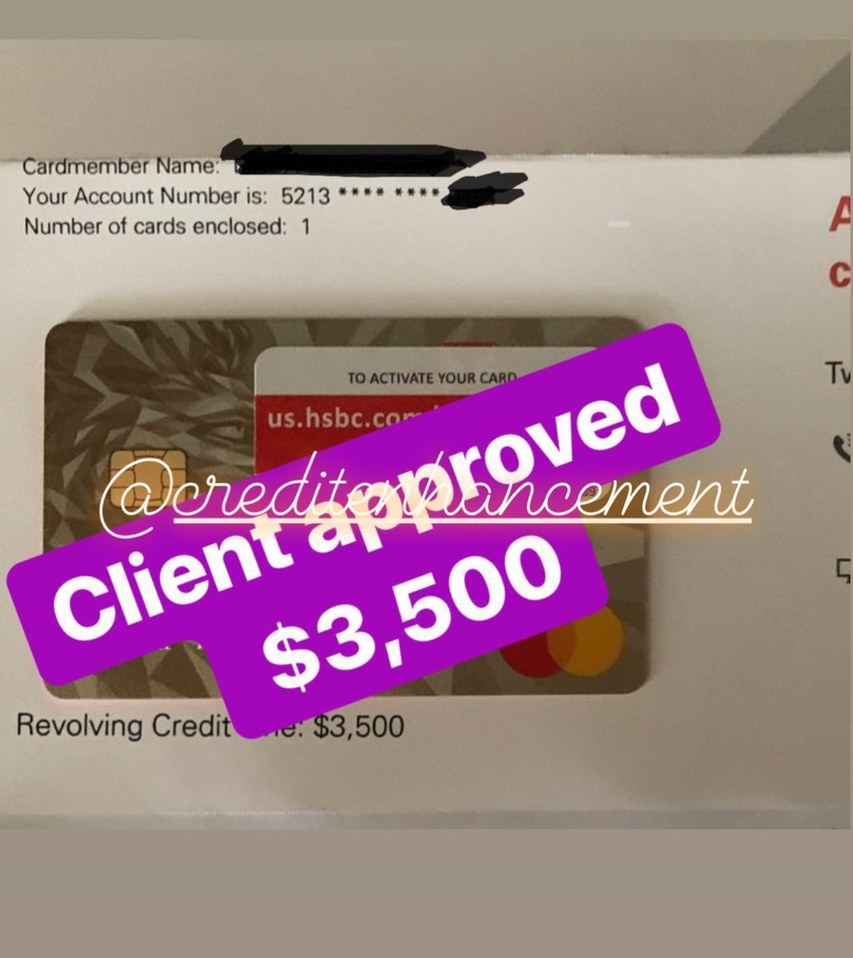
Client approved for an HSBC card with a revolving credit line of 3,500 dollars, June 2019.
Results vary from person to person and depend on what is in each credit file. Nothing here promises a particular score increase or deletion.
A collection account you don't recognize, or a balance that looks wrong, is hard to deal with until you can see the entry itself. For a dollar, you can read your scores and entries from all three bureaus before you decide what to do about them.
Facts first — then you decide how to respond.
One dollar with MyScoreIQ unlocks 7 days of access; after that it's $34.99 a month if you stay. Cancel anytime.
No two collection accounts look the same on a credit report. We help you understand the differences between them and spot accuracy problems.
For each collection account, we review the reported creditor, who owns the account now, the balance shown, and the account status.
A charge-off is not the same as an active collection account. We explain what the term means in credit reporting and how the two differ.
Reported balances, payment history, and the dates attached to each entry — we examine them against your own records.
Not every entry is worth disputing. We talk through whether an entry contains inaccurate information that may warrant a dispute with the reporting agency or the information provider.
We help you think through responsible ways to communicate with creditors, review payment arrangements, and keep accurate records of everything.
Collection accounts can involve different creditors, balances, and reporting histories. Getting the details straight comes before doing anything.
Our focus is finding inaccurate information — not suggesting that every collection entry can be removed.
Collection terms can be confusing. We explain them and help you prepare for conversations with creditors or collectors.
We go through the collection and charge-off entries showing on your credit reports, one by one.
Account ownership, balances, dates, and reporting status — we help you check each detail.
We help you find information that appears inaccurate, incomplete, or inconsistent with your records.
We explain your dispute options, how to communicate with creditors, and the credit habits that help going forward.
If the information in a collection entry is inaccurate, a challenge may be appropriate — through the reporting agency or the information provider. But accurate collection information generally cannot be removed simply because it is unfavorable.
Paying may change the entry's status, but it does not automatically remove it. How long accurate information stays is decided by the reporting rules.
It helps to understand the account details and your rights before you contact a collector. We can talk through common collection terms and what to consider before you call.
Yes, if the charge-off contains inaccurate information — that may be challenged through a factual dispute. Accurate charge-off information generally cannot be removed simply because it is unfavorable.
A collection entry does not have to be the last word on your finances. Let us talk through what you can do. Call (956) 264-1232.